
Share this
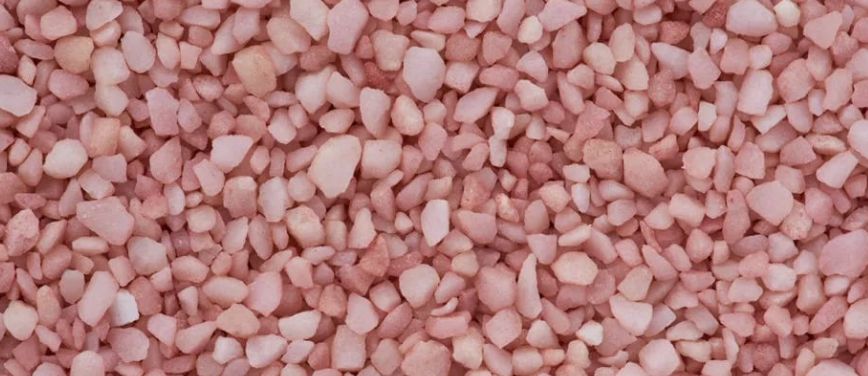
Potash – it might sound like something you’d find in a wizard’s pantry, but this magical ingredient is actually a crucial nutrient for healthy plant growth. Derived from the term “pot ash,” which describes an early production method involving wood ash and pots, potash is a potassium-rich fertilizer that plays a vital role in modern agriculture.
Why is Potash so Important?
Think of potassium (K) as the unsung hero of plant nutrition. While nitrogen gets credit for leafy growth and phosphorus for strong roots, potassium works behind the scenes to ensure overall plant health and productivity. Here’s how:
- Water Wise: Potassium helps plants regulate water uptake and minimize water loss, making them more resilient to drought conditions.
- Nutrient Traffic Controller: It acts like a transportation system within the plant, efficiently moving essential nutrients and sugars where they’re needed most.
- Enzyme Activator: Potassium is like a key that unlocks the potential of enzymes responsible for photosynthesis and other vital plant processes.
- Immunity Booster: Adequate potassium levels strengthen plants’ natural defenses, making them less susceptible to diseases and pests.
- Quality Control: It’s the secret ingredient for producing high-quality fruits, vegetables, and grains with improved size, color, and taste.
Potash in Action: Benefits for Crops
From vast cornfields to backyard vegetable gardens, potash is a game-changer for a wide range of crops:
- Increased Yields: Potash boosts crop yields by promoting vigorous growth and enhancing the plant’s ability to produce and store food.
- Improved Quality: Fruits and vegetables grown with potash fertilizers are larger, more vibrant, and tastier. Grains have higher protein content and improved milling quality.
- Enhanced Stress Tolerance: Potash helps plants withstand environmental stresses like drought, heat, and cold, leading to more consistent yields even in challenging conditions.
- Stronger Plants: Potassium strengthens plant tissues, making them less prone to lodging (falling over) and damage from pests and diseases.
Types of Potash Fertilizers
While potassium chloride (KCl) is the most common form, potash fertilizers come in various types, each with its own advantages:
- Potassium Chloride (Muriate of Potash): The most widely used and economical source of potassium.
- Potassium Sulfate (Sulfate of Potash): A premium potash fertilizer that also provides sulfur, another essential nutrient for plant growth.
- Potassium Nitrate: Supplies both potassium and nitrogen, making it a good choice for crops that prefer nitrate as a nitrogen source.
Bringing it All Together
Whether you’re a farmer cultivating acres of land or a home gardener tending to a small plot, understanding the power of potash can significantly impact your success. By ensuring your plants have access to this essential nutrient, you can unlock their full potential for growth, yield, and quality.